

La Sorbonne is the historic name associated with the University of Paris, founded in the early 13th century as one of Europe’s leading centres of learning. In 1257, Robert de Sorbon founded the Sorbonne College, which became renowned for theology and academic excellence. The Sorbonne Université was extensively rebuilt in the 17th century under Cardinal Richelieu and later developed into a major centre for research and teaching. Following the division of the University of Paris in 1968, Paris-Sorbonne and Pierre and Marie Curie Université continued its academic legacy. In 2018, the two institutions merged to create Sorbonne Université, bringing together humanities, sciences and medicine. Today Sorbonne Université is an internationally renowned higher education and research institution, with a rigorous academic programme, and one of the top universities in France.
The Centre National de la Recherche Scientifique (CNRS), part of the same research ecosystem as Sorbonne Université, is one of Europe’s largest publicly funded research organisations, spanning disciplines from the humanities and social sciences to nuclear physics. With a distinguished record that includes 22 Nobel Prize laureates and 13 Fields Medal winners, CNRS contributes world-leading expertise to cutting-edge research, as well as playing a leading role in innovation, as its recognition in the Clarivate Top 100 Global Innovators shows.
Why are Sorbonne and CNRS relevant to AIXPERT?
Sorbonne Université and CNRS are the two host institutions of the Institute of Intelligent Systems and Robotics (ISIR) which contributes to AIXPERT. ISIR is an interdisciplinary research institute composed of about 60 faculties organised around five research teams. Its faculty members are either professors employed by Sorbonne Université, or full-time researchers employed by the CNRS. Hence, CNRS and Sorbonne are jointly involved in AIXPERT.
AIXPERT, ISIR contributes to both Explainable multi-agentic framework development and WP7 – Use Cases Deployment, Operation, Validation and Assessment, bringing together technical expertise in adaptive AI agents with a strong focus on their real-world evaluation.
In WP4, Sorbonne Université leads Task 4.5 – Agents Learning Internal Models for Situational Awareness, which focuses on developing AI agents capable of continuously learning from their environment and adapting to different working conditions. Sorbonne Université contributes to:
- Developing internal models that capture context, user behaviour, system constraints and real-time feedback.
- Enabling agents to recognise different operational situations and adapt their decision-making accordingly.
- Improving the epistemic value of AI explanations by distinguishing between model and data uncertainty.
- Testing the agents’ ability to remain robust and context-aware across different scenarios, including the educational robotics use case.
In WP7, led by Sorbonne Université, ISIR contributes to the deployment, validation and assessment of AIXPERT’s five use cases, helping evaluate the solutions beyond their technical performance. Its work focuses on:
- Developing and applying evaluation methodologies, metrics and KPIs.
- Assessing usability, user acceptance, trust, explainability and transparency.
- Contributing to the assessment of the societal, ethical and organisational impact of AIXPERT’s solutions.
- Generating insights on the scalability and transferability of the solutions across different contexts.
Through these complementary contributions, Sorbonne Université and CNRS support AIXPERT both in developing adaptive and explainable AI agents and in ensuring that the resulting solutions are usable, trustworthy and impactful in real-world settings.
Meet the Team
Bio
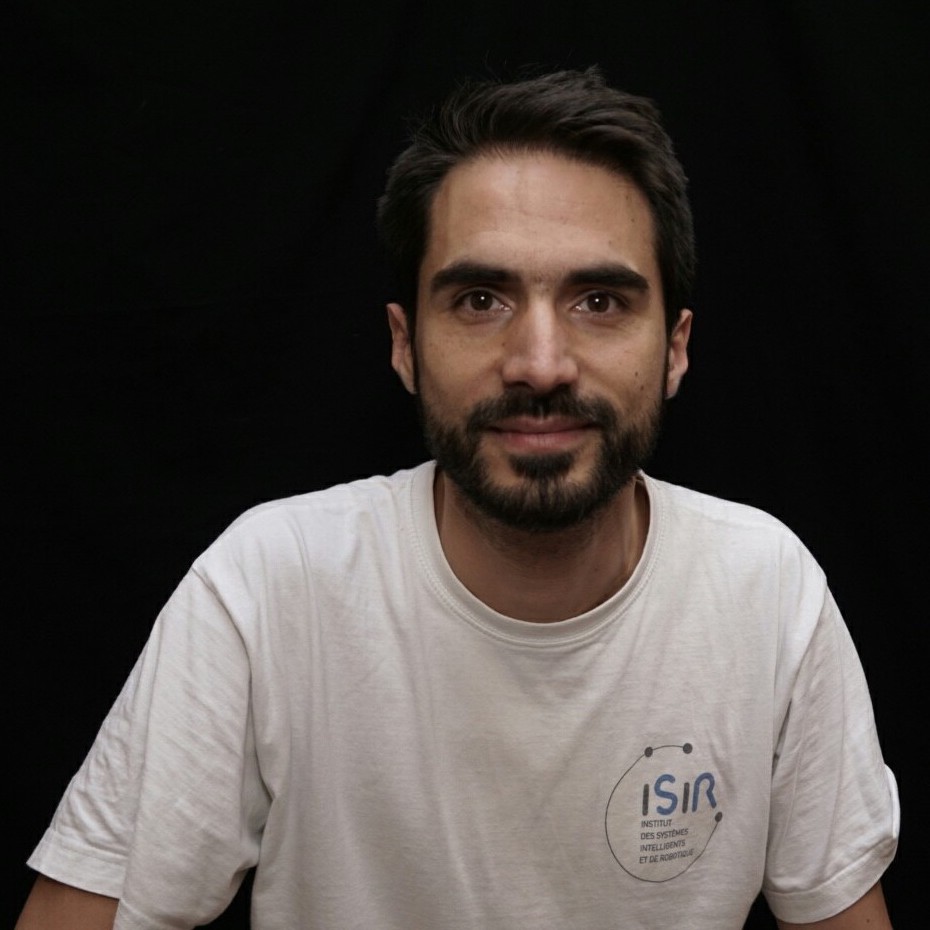
Mehdi Khamassi is a Research Director at the French National Centre for Scientific Research (CNRS) and works at the Institute of Intelligent Systems and Robotics (ISIR) on the Sorbonne University campus in Paris, France. He coordinates Sorbonne’s and CNRS’ contribution to AIXPERT. Within AIXPERT, he also leads WP7. He is co-director of the Master’s programme in Cognitive Science (Cog-SUP) at Sorbonne University and Université Paris Cité, as well as Editor-in-Chief of the journal Intellectica. His main research areas focus on decision-making and reinforcement learning in robots and animals, the role of social and non-social rewards in learning, and the ethical questions raised by autonomous decision-making by machines. His main methods include computational modelling, the design of new neuroscience experiments to test model predictions, statistical analysis of experimental data, the design of AI algorithms for robots, and behavioural experimentation with humans and robots.
Bio
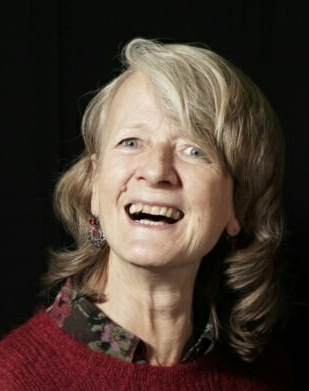
Catherine Pelachaud received the Ph.D. degree in computer science from the University of Pennsylvania, Philadelphia, PA, USA, in 1991. She is currently a CNRS (National Scientific Research Center) director of research in the laboratory ISIR, Sorbonne University, where her research encompasses socially interactive agents, modeling of nonverbal communication, and expressive behaviors. She has been involved and is still involved in several European projects related to believable socially interactive agents, emotion, and social behaviors. She has authored more than 200 articles. She is and was an associate editor of several journals, among which are IEEE Transactions on Affective Computing, ACM Transactions on Interactive Intelligent Systems, and International Journal of Human-Computer Studies. She has co-edited several books on virtual agents and emotion-oriented systems. She participated in the organization of international conferences such as IVA, ACII, and AAMAS, virtual agent track. She is a recipient of the ACM – SIGAI Autonomous Agents Research Award 2015, the ICMI Sustained Accomplishment Award 2024, and was honored with the title Doctor Honoris Causa of the University of Geneva in 2016. Her Siggraph’94 paper received the Influential Paper Award of IFAAMAS (the International Foundation for Autonomous Agents and Multi-Agent Systems).
Bio
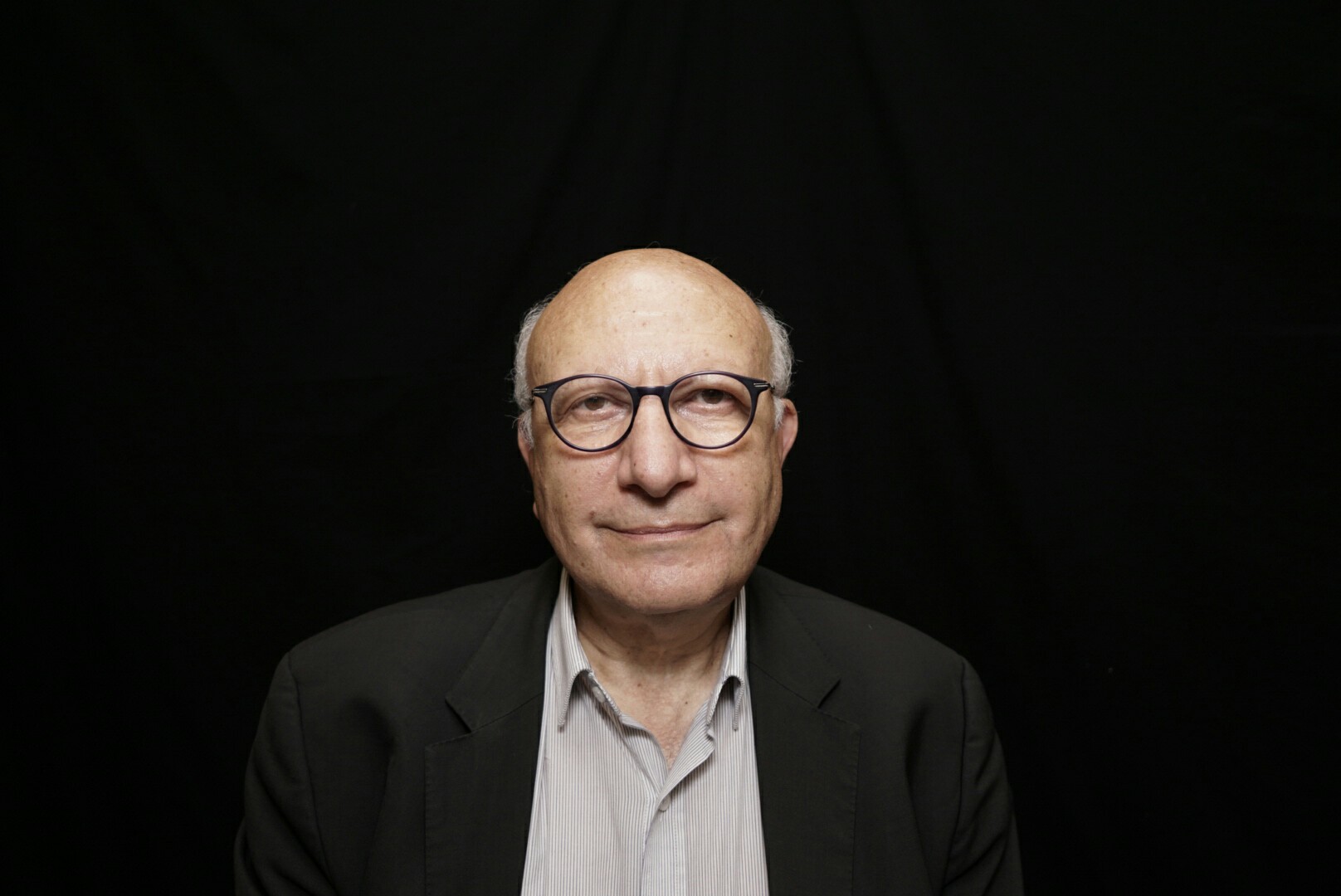
Raja Chatila is Professor emeritus at Sorbonne Université. He is former Director of the Institute of Intelligent Systems and Robotics (ISIR) and of the Laboratory of Excellence “SMART” on human-machine interaction. He was director of LAAS-CNRS, Toulouse France, in 2007-2010. His research covers several aspects of Robotics in robot navigation and SLAM, motion planning and control, cognitive and control architectures, human-robot interaction, machine learning, and ethics. He works on robotics projects in the areas of service, field, aerial and space robotics. He is author of over 170 international publications on these topics. Current and recent projects: HumanE AI Net the network of excellence of AI centers in Europe, AI4EU promoting AI in Europe, AVETHICS on the ethics of automated vehicle decisions, Roboergosum on robot self-awareness and Spencer on human-robot interaction in populated environments. He was President of the IEEE Robotics and Automation Society for the term 2014-2015. He is co-chair of the Responsible AI Working group in the Global Partnership on AI (GPAI) and member of the French National Pilot Committee for Digital Ethics (CNPEN). He is chair of the IEEE Global Initiative on Ethics of Autonomous and Intelligent Systems. He was member of the High Level Expert Group in AI with the European Commission (HLEG-AI). Honors: IEEE Fellow, IEEE Pioneer Award in Robotics and Automation, Honorary Doctor of Örebro University (Sweden).
Bio
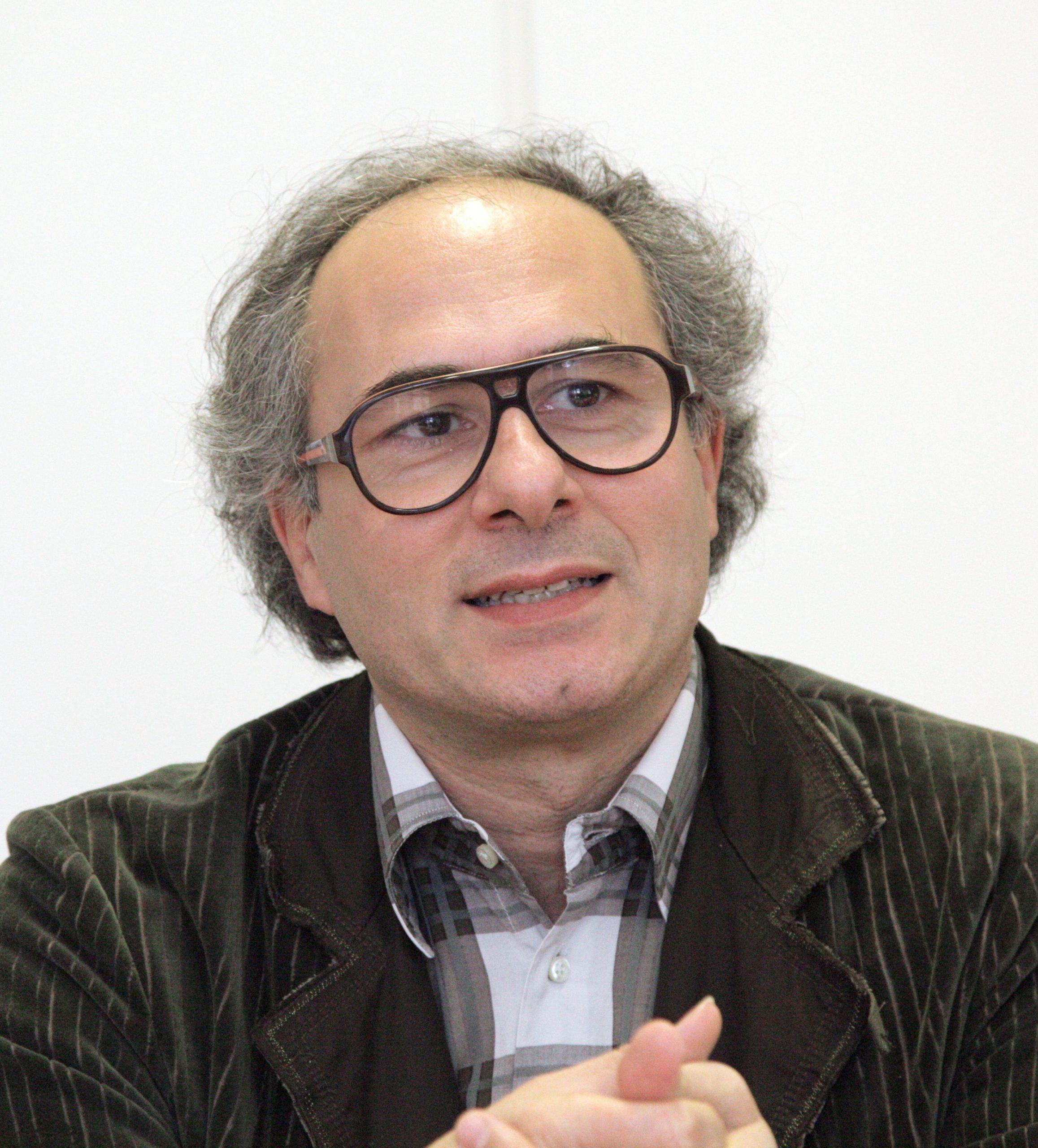
David Cohen is Professor at Sorbonne Université and Head of the Department of Child and Adolescent Psychiatry at Pitié-Salpêtrière Hospital (AP-HP). Trained as both a psychiatrist and a neuroscientist, he has spent more than twenty years conducting research at the intersection of psychiatry, neuroscience, artificial intelligence, and robotics. A graduate of the École Normale Supérieure, he earned a Master’s degree in Neuroscience from Pierre and Marie Curie University and the École Normale Supérieure in 1987, followed by a Medical Doctorate in 1992 before specializing in Child and Adolescent Psychiatry. His early research focused on severe mood disorders in adolescents and the neurobiological mechanisms underlying developmental psychiatric conditions. Throughout his career, he has developed a distinctly interdisciplinary approach to child psychopathology, grounded in the integration of medical sciences, neuroscience, and engineering. His collaboration with the Institute for Intelligent Systems and Robotics (ISIR) has led to pioneering research initiatives combining social signal processing, machine learning, and robotics to advance the understanding of human interactions and neurodevelopmental disorders. His research primarily focuses on neurodevelopmental disorders, early-onset psychoses, complex psychiatric conditions in children and adolescents, and social and cognitive interactions. Within ISIR, he works closely with the Perception, Interaction and Social Robotics (PIRoS) team to develop innovative assessment and intervention tools based on artificial intelligence and social robotics. Alongside his clinical and research activities, David Cohen leads several national and international programs dedicated to neurodevelopmental disorders. He is notably the founder of the IDEAL project, which aims to strengthen research, training, and clinical care in developmental disorders affecting children and adolescents. A Corresponding Member of the French National Academy of Medicine, he is widely recognized for his contributions to the emergence of a child psychiatry that integrates advances from digital sciences and engineering.

Bio
Salvatore Maria Anzalone is Maître de Conférences at Université Paris 8, member of the Artificial and Human Cognitions Laboratory, leading the LUTIN research platform at Cité des Sciences et de l’Industrie. His research interests focus on Human–AI symbiosis, investigating the emergence of mutually adaptive relationships between humans and intelligent systems. His work spans social robotics, from the analysis of interpersonal dynamics and social signals to the development of socio-cognitive behaviours enabling robots to display high levels of social intelligence. He explores these questions across different research contexts, including socially assistive robotics, particularly for children with neurodevelopmental disorders, and cultural and performative robotics, investigating theatrical, symbolic, and culturally grounded forms of human–robot interaction. He was Research Fellow with the Japan Society for the Promotion of Science (2011–2012) and with the National Institute of Information and Communications Technology (2013). He participated in several national and European projects, including FP7 Michelangelo (2011–2015), Horizon Europe AIXPERT (2025–2028) and EIT HERO-IG (2026-2028). He coordinated the French–Swiss bilateral ANR–FNS project iReCheck (2019–2023), the French EUR ArTeC project “Scène et Robotique” (2020–2023) and is involved in the PEPR O2R (2023–2030). Since 2017, he has been a member of the steering committee of the Artificial Intelligence and Robotics group of the Italian Association for Artificial Intelligence. Since 2021, he has served as Managing Editor of Springer’s International Journal of Social Robotics.

Bio
Emma Gouné is a second year PhD Student at Sorbonne University, in the ISIR Lab, working on explainability techniques for LLM-based Agents. She graduated from McGill University in Computer Science and has previously conducted projects and research internationally. Her broader research background spans AI satefy evaluations and benchmarking, deep learning and computer vision. She is actively involved in the AI Safety and Governance activist scene in Paris.

Bio
Alexandre Ménard is a specialist in the development and management of European and national projects, as well as strategic partnership coordination, currently serving as European Affairs and Public Partnerships Officer at Sorbonne Université. His expertise spans financial engineering, international contracting, and operational support for leadership teams, with a strong focus on research, higher education, and innovation.
Driven by a passion for cultural exchange, travel, history, and museums, he combines administrative rigor with a strategic vision, enriched by diverse experiences: from cultural project management (Culture Men’Art) to legal assistance (Fidal), and large-scale event organization (Renaissance des Cités d’Europe).
With a background in cultural management, public law, and history, he leverages his skills in negotiation, coordination, and strategic monitoring to advance ambitious projects while promoting researcher mobility and capacity-building for teams.